Thyroid problems in Malaysia: overactive and underactive thyroid, goitre and the thyroid blood test
The thyroid is a small, butterfly-shaped gland in the front of the neck. Its hormones set the pace of the body’s metabolism, so too much or too little affects energy, weight, heart rate, mood and periods. Thyroid problems are common, especially in women, are easily checked with a blood test, and are very treatable.

Key points
- A nationwide Malaysian study found that about 3 in 100 adults had an overactive thyroid and 2 in 100 an underactive one, counting mild cases, and that most had never been diagnosed.
- An overactive thyroid (hyperthyroidism) causes weight loss, a fast heartbeat, shaking, sweating and anxiety. An underactive thyroid (hypothyroidism) causes tiredness, feeling cold, constipation and weight gain.
- The main test is TSH. A high TSH usually means an underactive thyroid, and a low TSH an overactive one.
- If you take anti-thyroid tablets and get a sore throat, mouth ulcers or fever, stop them and get an urgent blood count.
- Most thyroid lumps are harmless, but any new or growing lump should be checked. Malaysia has required table salt to be iodised since 2020 to prevent goitre.
Thyroid problems in Malaysia
Thyroid disorders are the second most common hormone (endocrine) disorder in Malaysia after diabetes. In a nationwide study of more than 2,200 adults, reported when Malaysia launched its first clinical practice guidelines on thyroid disorders in 2020:
- about 3.4% had an overactive thyroid and 2.1% an underactive one, including mild (subclinical) cases
- 9.3% had a goitre (an enlarged thyroid) and 3.6% had nodules (lumps)
- most of those with an abnormal thyroid had never been diagnosed
Thyroid problems are much more common in women, and often start between the ages of 20 and 40, or after pregnancy.
Overactive thyroid (hyperthyroidism)
Symptoms:
- weight loss despite a good appetite
- fast or irregular heartbeat (palpitations)
- shaky hands, sweating and feeling hot
- anxiety, irritability and poor sleep
- loose stools, lighter or fewer periods
- a swelling in the neck (goitre)
- gritty, red or bulging eyes, or double vision (thyroid eye disease)
Causes: about 4 in 5 cases are due to Graves’ disease, an autoimmune condition. Others are caused by overactive thyroid nodules, or by inflammation of the thyroid (thyroiditis), which is often temporary, including after pregnancy.
Treatment:
- Beta-blockers to ease palpitations and shaking while other treatment takes effect.
- Anti-thyroid tablets (carbimazole, methimazole or, in early pregnancy, propylthiouracil), usually for 12 to 18 months.
- Radioactive iodine, a drink or capsule that shrinks the thyroid. It isn’t used in pregnancy or breastfeeding, and can worsen thyroid eye disease.
- Surgery to remove the thyroid, for example for a large goitre.
Taking anti-thyroid tablets?
Rarely, they lower the white blood cells that fight infection. If you get a sore throat, mouth ulcers, fever or flu-like illness, stop the tablets and see a doctor the same day for a blood count.
Smoking makes thyroid eye disease worse, so it is especially important to stop.
Underactive thyroid (hypothyroidism)
Symptoms come on slowly and are easy to blame on stress or age:
- tiredness and sluggishness
- feeling cold
- weight gain, usually modest
- constipation
- dry skin and hair, hair thinning
- low mood, poor memory
- heavier or irregular periods, and difficulty getting pregnant
Causes: most often the autoimmune condition Hashimoto’s thyroiditis. Others include previous thyroid surgery or radioactive iodine, some medicines (such as lithium and amiodarone), and iodine deficiency.
Treatment is a daily levothyroxine tablet, which replaces the missing hormone:
- Take it at the same time each day, on an empty stomach, 30 to 60 minutes before breakfast.
- Keep it at least 4 hours apart from calcium, iron and antacids, which stop it being absorbed.
- Your TSH is rechecked 6 to 8 weeks after starting or changing the dose, then usually once a year once it is stable.
Subclinical hypothyroidism, a raised TSH with normal thyroid hormone, is common and often settles without treatment. Doctors usually repeat the test before deciding on treatment.
The thyroid blood test
| Test | What it shows |
|---|---|
| TSH (thyroid-stimulating hormone) | The main screening test. High usually means an underactive thyroid; low usually means an overactive one. A typical range is about 0.4 to 4.5 mIU/L, but check your lab’s range |
| Free T4 (and sometimes free T3) | The thyroid hormones themselves, to confirm and measure the problem |
| TPO antibodies | Point to Hashimoto’s thyroiditis |
| TSH receptor antibodies (TRAb) | Point to Graves’ disease |
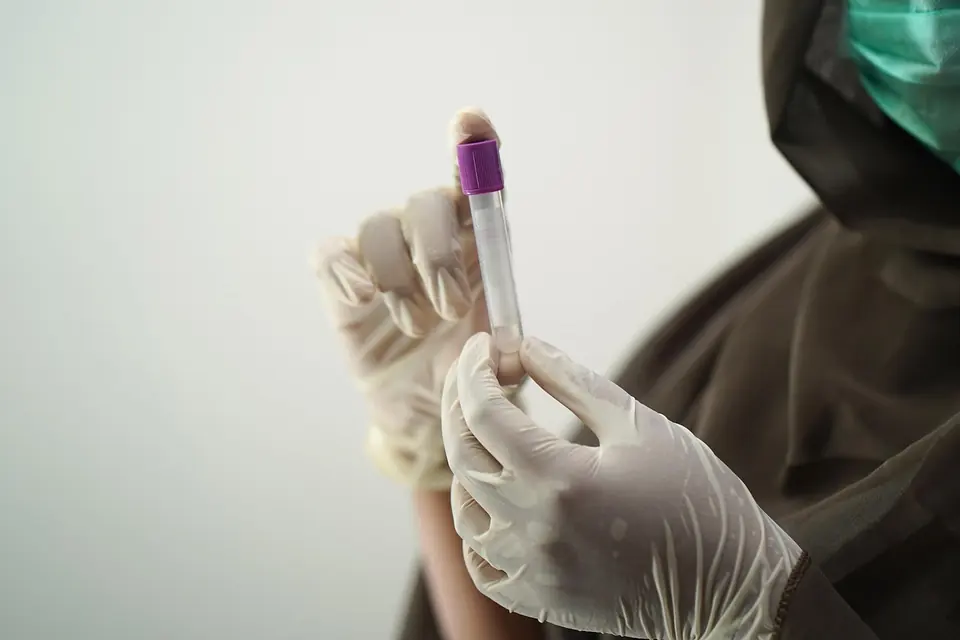
You don’t need to fast. Stop biotin supplements, found in many hair and nail products, 2 days before the test, as biotin can give falsely abnormal results.
Ask for a thyroid test if you have symptoms above, a goitre, a family history of thyroid disease, other autoimmune conditions such as type 1 diabetes, irregular periods or difficulty conceiving, or are planning a pregnancy with a past thyroid problem. See also our guide to blood test results.
Goitre, thyroid lumps and iodine
A goitre is an enlarged thyroid, seen as a swelling at the front of the neck. A nodule is a lump within the thyroid.
- Thyroid nodules are very common: about half of people have one by age 60, and more than 9 in 10 are harmless. They are checked with an ultrasound, and if needed a fine-needle biopsy.
- See a doctor promptly for a lump that is growing, or a lump with a hoarse voice, difficulty swallowing or breathing.
- Thyroid cancer is the 8th most common cancer in Malaysian women. Most are the papillary type, which, found early, has a 10-year survival of nearly 100%.
Iodine: the thyroid needs iodine to make its hormones. Iodine deficiency has long caused goitre in parts of Malaysia, especially interior Sabah and Sarawak. A national survey found nearly half of children aged 8 to 10 were iodine deficient, so since the end of 2020, table and fine salt sold in packs of up to 20 kg must be iodised. In Sarawak, goitre in children fell from 2.9% in 2008 to 0.1% in 2018 after salt iodisation. Use iodised salt at home, but don’t take extra iodine supplements unless advised, as too much can also upset the thyroid.
Thyroid problems and pregnancy
- Untreated thyroid problems raise the risk of miscarriage, pre-eclampsia and premature birth, and an underactive thyroid can affect the baby’s brain development.
- If you take levothyroxine, the dose usually needs to go up by 20 to 30% as soon as you are pregnant. Tell your doctor straight away and have your TSH checked, then about every 4 weeks in the first half of pregnancy.
- If you have an overactive thyroid, your doctor may switch your medicine before or early in pregnancy. Radioactive iodine must not be used.
- Newborn screening: babies born in Malaysia are tested for congenital hypothyroidism using blood from the umbilical cord, so that it can be treated before it affects development.
See our pregnancy week-by-week guide.
Thyroid and weight
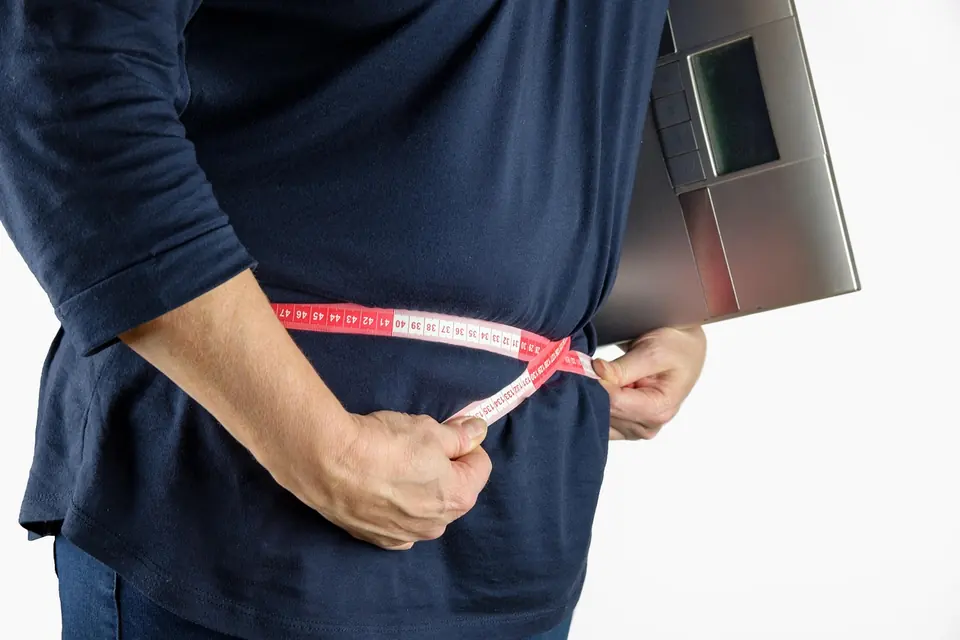
An underactive thyroid usually adds only a few kilograms, much of it fluid, and this tends to come off with treatment. If you have gained a lot of weight, the thyroid is rarely the only cause. Thyroid hormone shouldn’t be used for weight loss: it can cause heart rhythm problems and bone loss, and the weight returns. See our BMI calculator and guide to weight-loss injections.
Where to get your thyroid checked
A GP can examine your neck, order a thyroid blood test, start treatment for an underactive thyroid and refer you to an endocrinologist or for an ultrasound if needed. Our directory lists GP clinics across Kuala Lumpur, Selangor and other states.
Browse the clinic directoryFrequently asked questions
What are the symptoms of thyroid problems?
An overactive thyroid causes weight loss, palpitations, shaking, sweating and anxiety. An underactive thyroid causes tiredness, feeling cold, constipation, dry skin and weight gain.
What is the difference between hyperthyroidism and hypothyroidism?
Hyperthyroidism means the thyroid makes too much hormone, speeding the body up. Hypothyroidism means it makes too little, slowing the body down.
What does a high TSH mean?
Usually that your thyroid is underactive, as the pituitary gland is working harder to stimulate it. A doctor will check your free T4 to confirm.
Is a goitre dangerous?
Most goitres and thyroid lumps are harmless, but they should be checked, especially if growing, or with a hoarse voice or difficulty swallowing or breathing.
Do I need to fast for a thyroid blood test?
No. But stop biotin supplements 2 days before, as they can affect the result.
Is thyroid disease curable?
An overactive thyroid can often be cured with tablets, radioactive iodine or surgery, although some people then need levothyroxine. An underactive thyroid is usually lifelong but well controlled with a daily tablet.
Can thyroid problems cause weight gain?
An underactive thyroid can cause modest weight gain, which usually improves with treatment. Large weight gain is rarely due to the thyroid alone.
Why is salt iodised in Malaysia?
To prevent iodine deficiency, which causes goitre and can affect children’s development. Since the end of 2020, table salt sold in packs of up to 20 kg must be iodised.
Sources
- The Star — Malaysia launches first clinical guidelines for managing thyroid disorders (3 Oct 2020)
- IIUM Repository — Prevalence of overt and subclinical thyroid disorders in Malaysia (MyEndo study, 2017)
- The Star — Iodine to salt deadline now on Dec 31 (4 Oct 2020)
- CodeBlue — MOH bans salt without iodine from Sept 30 (Sep 2020)
- NutraIngredients — Malaysian state intervention helps combat iodine deficiency (May 2022)
- The Star — Thyroid cancer: uncommon but mostly treatable (Feb 2024)
- American Thyroid Association — Hyperthyroidism
- American Thyroid Association — Hypothyroidism
- American Thyroid Association — Thyroid function tests
- American Thyroid Association — Hypothyroidism in pregnancy
- NHS — Overactive thyroid
- NHS — Levothyroxine