PCOS (PMOS) in Malaysia: symptoms, diagnosis, treatment and fertility
Polycystic ovary syndrome (PCOS) is one of the most common hormone conditions in women. It can cause irregular periods, acne, unwanted hair and difficulty getting pregnant, and it raises the long-term risk of diabetes. In 2026 it was given a new name, polyendocrine metabolic ovarian syndrome (PMOS), to reflect that it affects the whole body, not just the ovaries.

Key points
- PCOS affects about 10 to 13% of women of reproductive age, and up to 7 in 10 don’t know they have it. Studies in the Klang Valley suggest similar rates in Malaysia.
- It is diagnosed when a woman has 2 of 3 features: irregular or absent periods, signs of high male hormones (such as excess hair or acne), and polycystic ovaries on ultrasound or a high AMH blood test.
- Despite the name, you don’t need cysts to have PCOS. In May 2026 an international consensus renamed it PMOS.
- PCOS raises the risk of type 2 diabetes, high blood pressure, high cholesterol, gestational diabetes and depression, so regular checks matter.
- Healthy eating, activity and modest weight loss help most women. The pill, metformin and other treatments manage symptoms, and letrozole is the first-choice medicine to help ovulation.
What is PCOS? (PCOS maksud)
PCOS is a long-term hormonal condition in which the ovaries make more androgens (male-type hormones) than usual and often don’t release an egg each month. Insulin resistance, where the body needs more insulin to keep blood sugar normal, plays a big part, which is why PCOS is linked to weight gain and diabetes.
- The World Health Organization estimates it affects 10 to 13% of women of reproductive age, and that up to 70% of them are undiagnosed. A 2021 survey in the Klang Valley found 10.5% of women reported having been diagnosed, and nearly half had poor knowledge of the condition.
- The ovaries of women with PCOS often have many small follicles, partly developed eggs, which look like “cysts” on a scan. These aren’t true cysts, and some women with PCOS don’t have them.
- In May 2026, a global consensus published in The Lancet renamed the condition polyendocrine metabolic ovarian syndrome (PMOS), or sindrom ovari metabolik poliendokrin in Malay. The new name is being phased in over several years, so you will see both.
PCOS runs in families, and the cause isn’t fully understood. It isn’t caused by anything you did.
PCOS symptoms (simptom PCOS)
- irregular, infrequent or absent periods: cycles shorter than 21 days or longer than 35 days, or fewer than 8 periods a year
- excess hair on the face, chest, tummy or back (hirsutism)
- acne and oily skin, often along the jawline. See our guide to acne.
- thinning hair on the scalp
- weight gain, especially around the waist, and difficulty losing weight
- dark, velvety skin in the neck folds or armpits (acanthosis nigricans), a sign of insulin resistance
- difficulty getting pregnant
- low mood, anxiety and tiredness
Symptoms vary a lot. Some women have only irregular periods; others have regular periods but troublesome acne or hair growth. Malaysian doctors report that diagnosis often comes 3 to 5 years after symptoms start, so it is worth seeing a doctor early.
How PCOS is diagnosed
Under the 2023 International Evidence-based Guideline for PCOS, adults are diagnosed when they have at least 2 of these 3, after other causes have been ruled out:
- Irregular or absent ovulation, shown by irregular periods
- High androgens: symptoms such as excess hair or acne, or high testosterone on a blood test
- Polycystic ovaries on an ultrasound scan (20 or more follicles in an ovary), or a high AMH blood test as an alternative
- If you have both irregular periods and high androgens, you don’t need a scan or AMH test.
- Teenagers need both irregular periods and high androgens. Ultrasound and AMH aren’t used to diagnose PCOS within 8 years of the first period, as many young women naturally have polycystic-looking ovaries.
- Blood tests usually include testosterone, and tests to rule out other causes, such as thyroid (TSH), prolactin and other hormones. If you are on the pill, it may affect the results.
A GP can start these tests and refer you to a gynaecologist or endocrinologist if needed. See our guide to thyroid problems, which can also cause irregular periods.
Long-term health risks and check-ups
PCOS is a lifelong condition, and it affects more than the ovaries. Women with PCOS have a higher risk of:
- type 2 diabetes and gestational diabetes in pregnancy
- high blood pressure and high cholesterol
- fatty liver and sleep apnoea
- thickening of the womb lining, and endometrial cancer, if periods are very infrequent
- anxiety, depression and eating problems
Recommended checks:
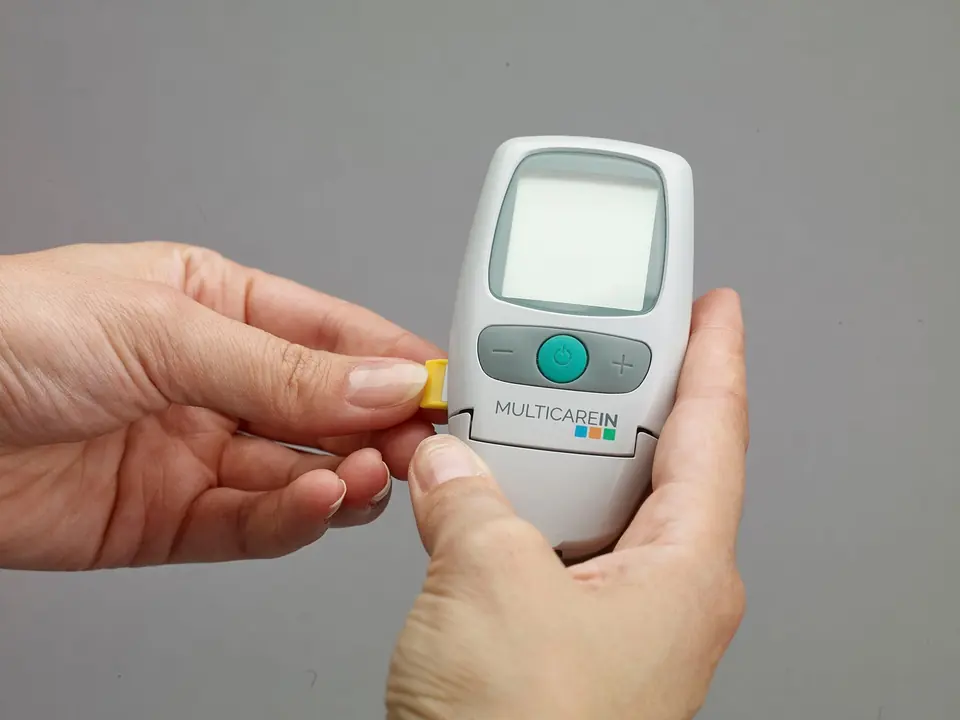
- blood sugar at diagnosis, then every 1 to 3 years. An oral glucose tolerance test is the most accurate. See our guide to normal blood sugar levels.
- cholesterol at diagnosis
- blood pressure every year
- a check on your mood and wellbeing
Asian women tend to develop diabetes at a lower weight, so even women with PCOS at a “normal” weight should have their blood sugar checked. Malaysia uses lower BMI cut-offs: see our BMI calculator.
PCOS treatment
There is no cure, but symptoms and risks can be well managed. Treatment depends on what bothers you most and whether you want to get pregnant.
Lifestyle first
- Healthy eating and regular activity help everyone with PCOS. No single diet is best, so choose one you can keep to: fewer sugary drinks and refined carbohydrates, more vegetables, wholegrains and protein.
- Aim for at least 150 minutes of moderate activity a week.
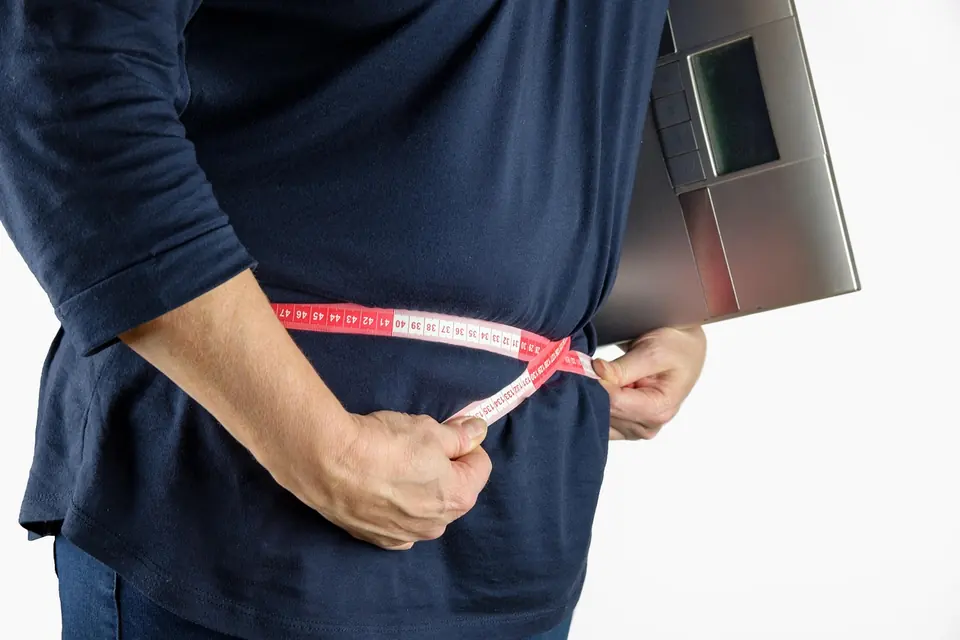
- If you are overweight, even modest weight loss can bring back regular periods and ovulation. In a 2026 analysis, more than half of women with PCOS who lost weight started ovulating again. A waist of 80 cm or less is a useful target.
Medicines
| Treatment | Used for |
|---|---|
| Combined contraceptive pill | Regular periods, less acne and hair growth, and protecting the womb lining |
| Progestogen tablets or a hormonal coil | Protecting the womb lining if you have few periods and can’t take the pill |
| Metformin | Insulin resistance, weight and blood sugar, especially with a higher BMI |
| Anti-androgen medicines | Excess hair or hair loss, after at least 6 months on the pill, with reliable contraception |
| Laser hair removal, creams | Facial and body hair, acne |
| Weight-loss medicines (such as GLP-1 injections) | Weight, when lifestyle changes aren’t enough. Not for use when trying to conceive or in pregnancy. See our guide to weight-loss injections |
Supplements: inositol is widely marketed for PCOS. The international guideline says it may be considered, but the evidence of benefit is limited, and its use for fertility is experimental. Talk to your doctor before spending on supplements.

PCOS and getting pregnant
Many women with PCOS get pregnant naturally or with simple treatment. If you aren’t ovulating regularly:
- Letrozole tablets are the first-choice medicine to help you ovulate, ahead of clomiphene.
- If that doesn’t work, options include hormone injections (gonadotrophins) with close ultrasound monitoring, or a keyhole operation on the ovaries.
- IVF is used if other treatments haven’t worked or there are other fertility problems.
See a doctor if you have been trying for 12 months, or 6 months if you are 35 or over, or sooner if your periods are very irregular.
Fertility help in Malaysia:
- Government hospitals offer ovulation treatment and IVF, although waiting times can be long.
- Under LPPKN’s BuAI programme, eligible couples can receive up to 2 cycles of IUI (intrauterine insemination) treatment. Priority goes to lower-income households, and couples need to meet age and income conditions.
- You can withdraw from EPF Account 2 for fertility treatment, and claim tax relief for it.
During pregnancy, women with PCOS have a higher risk of gestational diabetes and high blood pressure, so they should be screened early. See our pregnancy week-by-week guide.
Where to get checked for PCOS
A GP can assess your periods and symptoms, arrange blood tests and a scan, check your blood sugar and blood pressure, start treatment and refer you to a gynaecologist or fertility specialist if needed. Our directory lists GP clinics across Kuala Lumpur, Selangor and other states.
Browse the clinic directoryFrequently asked questions
What is PCOS?
Polycystic ovary syndrome, a common hormone condition that causes irregular periods, high male-type hormones and often polycystic-looking ovaries. In 2026 it was renamed PMOS.
What are the first signs of PCOS?
Usually irregular or missed periods, often with acne, excess facial or body hair, weight gain or thinning scalp hair.
Can I have PCOS without cysts?
Yes. You only need 2 of the 3 features to be diagnosed, so many women with PCOS have normal-looking ovaries on a scan.
Can PCOS be cured?
There is no cure, but symptoms can be well controlled with lifestyle changes and treatment, and many women find symptoms ease with time.
Can I get pregnant with PCOS?
Yes. Many women with PCOS conceive naturally or with treatment. Letrozole is the first-choice medicine to help ovulation.
Does PCOS cause weight gain?
PCOS makes weight gain easier and weight loss harder because of insulin resistance. Even modest weight loss can improve periods and fertility.
Do inositol supplements work for PCOS?
The international guideline says the evidence of benefit is limited. They may be considered, but talk to your doctor first.
What does PMOS mean?
Polyendocrine metabolic ovarian syndrome, the new name for PCOS agreed in 2026, which reflects that the condition affects hormones and metabolism, not just the ovaries.
Sources
- World Health Organization — Polycystic ovary syndrome fact sheet (Jan 2026)
- Teede et al. — Recommendations from the 2023 International Evidence-based Guideline for PCOS (Human Reproduction)
- NHS — Polycystic ovary syndrome (PCOS/PMOS) (reviewed Jun 2026)
- RANZCOG — Renaming of PCOS to polyendocrine metabolic ovarian syndrome (May 2026)
- Bernama — PMOS: sindrom ovari metabolik poliendokrin (Jun 2026)
- Goh et al. — Knowledge of PCOS among women in the Klang Valley (Frontiers in Endocrinology, 2022)
- Ulster University — Ovulatory recovery following weight loss in women with PCOS (Human Reproduction, 2026)
- Jean Hailes for Women’s Health — PCOS management and treatment (May 2026)
- New Straits Times — 47,000 couples to benefit from fertility assistance programme (May 2026)
- The Star — Govt stepping up efforts to address rising fertility problems (Nov 2025)