Urinary tract infection (UTI): symptoms, treatment, kidney infection signs and stopping it coming back
A urinary tract infection (UTI, or jangkitan saluran kencing) is one of the most common reasons women see a GP. Most are bladder infections that clear quickly with a short course of antibiotics. But a UTI can spread to the kidneys, and some groups, including men, pregnant women and children, always need a doctor.
Key points
- Typical UTI symptoms are pain or burning when passing urine, needing to go often and urgently, cloudy or bloody urine, and lower tummy pain.
- Fever, shivering, pain in the back or side, or vomiting can mean a kidney infection, which needs a doctor the same day.
- Men, pregnant women, children, older people and people with diabetes or a catheter should always see a doctor for a UTI.
- In Malaysia, antibiotics need a doctor’s prescription. Common UTI bacteria are increasingly resistant to some antibiotics, so a urine culture is used for repeat or complicated infections.
- Drinking enough water and not holding urine help. Cranberry products modestly reduce repeat UTIs in some women. Vaginal oestrogen helps after the menopause.
What is a UTI?
A UTI is an infection anywhere in the urinary tract, usually caused by bacteria from the gut, most often E. coli, getting into the urethra.
- Bladder infection (cystitis) is the most common type.
- Kidney infection (pyelonephritis) is less common but more serious.
Women are much more likely to get UTIs because the urethra is shorter and closer to the back passage. Risk is higher after sex, in pregnancy, after the menopause, and with a previous UTI.
Other risk factors include diabetes (some diabetes medicines, called SGLT2 inhibitors, also raise the risk of genital infections), kidney stones, a urinary catheter, not drinking enough, constipation in children, and in men, an enlarged prostate that stops the bladder emptying fully.
UTI symptoms
- pain, burning or stinging when passing urine (sakit kencing)
- needing to pass urine more often or urgently, including at night
- cloudy urine, or blood in the urine
- pain or pressure in the lower tummy
- feeling generally unwell or tired
In older people, a UTI may cause new confusion, agitation, falls or worsening incontinence rather than typical symptoms.
In children, look for fever, irritability, poor feeding, vomiting, tummy pain or new bedwetting. A baby under 3 months with a temperature of 38°C or more needs to see a doctor straight away.
Dark or strong-smelling urine on its own usually means you need to drink more, not an infection. Vaginal itching or discharge points to another cause, such as thrush or a sexually transmitted infection. See our guide to STI testing.
Warning signs of a kidney infection
See a doctor the same day if you have UTI symptoms with:
- a high temperature, or shivering and shaking
- pain in your back or side, below the ribs
- feeling sick or vomiting
Go to an emergency department if you are confused, very drowsy, have difficulty speaking, have passed no urine all day, or feel very unwell. A kidney infection can lead to sepsis. Pregnant women with these signs need urgent care. See our guide on clinic or emergency department.
Always see a doctor rather than relying on self-care if you are a man, pregnant, a child, aged 65 or over, have diabetes, a catheter or a weak immune system, have blood in your urine, have UTIs that keep coming back, or aren’t improving within 2 days.
How a UTI is diagnosed
- Urine dipstick: a quick test at the clinic for signs of infection. In younger women with typical symptoms, the diagnosis is often clear from symptoms alone. Dipsticks are less reliable in older people and people with catheters, who often have bacteria in their urine without an infection.
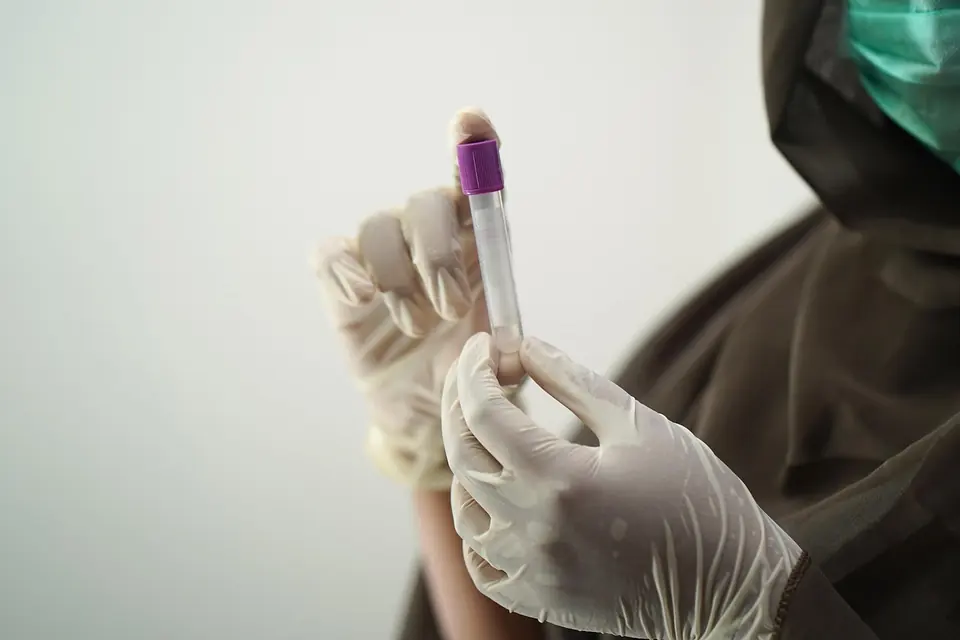
- Urine culture: sent to a lab to identify the bacteria and which antibiotics work. It is used in pregnancy, for men, for repeat infections, kidney infections, and when treatment hasn’t worked.
How to give a clean (mid-stream) urine sample: wash your hands, pass the first part of the urine into the toilet, catch the middle part in the sterile container without stopping the flow, then finish in the toilet. Hand it in within 2 hours, or keep it in the fridge. Give the sample before starting antibiotics if possible.
UTI treatment
Antibiotics: a simple bladder infection in a woman is usually treated with a 3 to 5 day course. Under the Ministry of Health’s national antimicrobial guideline, preferred options include nitrofurantoin and amoxicillin-clavulanate, with cephalosporins or a single dose of fosfomycin as alternatives. The choice depends on your history, kidney function and whether you are pregnant. Kidney infections need longer treatment, and sometimes a drip in hospital.
- Antibiotic resistance is rising. The guideline advises against some older antibiotics for UTIs because more than 30% of local E. coli are now resistant to them, and resistance to ciprofloxacin rose from about 25% in 2019 to 30% in 2023.
- Don’t buy antibiotics without a prescription or use leftover tablets. In Malaysia, antibiotics are prescription medicines, and the wrong antibiotic or too short a course can lead to a kidney infection or resistant bacteria.
- Most people feel better within 1 to 2 days of starting the right antibiotic. Finish the course, and go back if you aren’t improving after 48 hours.
- Bacteria in the urine without symptoms usually aren’t treated, except in pregnancy, where antenatal clinics screen for and treat them.
Self-care while you recover:
- Drink enough water to keep your urine pale.
- Take paracetamol for pain. Ibuprofen is an alternative for a simple bladder infection, but avoid it with a kidney infection unless a doctor advises.
- Rest, and don’t hold in urine.
- Cystitis sachets and cranberry drinks don’t treat an active infection.

Preventing UTIs from coming back
Recurrent UTI means 2 or more in 6 months, or 3 or more in a year. These steps can help:
- Drink enough water through the day, and pass urine when you need to rather than holding it.
- Pass urine soon after sex.
- Wipe from front to back after using the toilet.
- Avoid spermicides, and treat constipation.
- Cranberry products: a 2023 Cochrane review of 50 trials found they reduced UTIs by about a quarter in women with recurrent UTIs, and in children. They didn’t help older people in care homes or pregnant women. Avoid them if you take warfarin.
- After the menopause, vaginal oestrogen cream or pessaries reduce repeat UTIs. Ask your doctor.
- D-mannose supplements are popular, but a large 2024 trial found no benefit over placebo.
- For frequent infections, a doctor may suggest a non-antibiotic preventive medicine (methenamine), a low-dose antibiotic at night for several months, or a single dose after sex, and may check for an underlying cause with a scan.
UTIs in men, and “kencing tak lawas”
UTIs are less common in men and are always worth checking, as they can involve the prostate or point to a problem with bladder emptying.
Kencing tak lawas, the feeling that the bladder hasn’t emptied fully, with a weak stream, dribbling and getting up at night to pass urine, is often due to an enlarged prostate (benign prostatic hyperplasia) rather than infection. About 1 in 6 Malaysian men aged 40 and over has it, rising to 1 in 3 at 75 and over. It can be treated, so see a doctor. Being unable to pass urine at all is an emergency.
Where to get a UTI treated
A GP can test your urine and prescribe the right antibiotic, often on the same visit. UTIs often flare in the evening or at weekends, so our directory lists GP clinics across Kuala Lumpur, Selangor and other states, including clinics open late and 24 hours.
Browse the clinic directoryFrequently asked questions
What are the symptoms of a UTI?
Pain or burning when passing urine, needing to go often or urgently, cloudy or bloody urine and lower tummy pain. Older people may become confused instead.
Can a UTI go away on its own?
A mild bladder infection in a healthy woman sometimes clears by itself, but see a doctor if symptoms are severe, don’t improve in 2 days, or you are in a group that always needs a doctor.
How long does a UTI take to clear with antibiotics?
Most people feel better within 1 to 2 days, and a simple bladder infection is usually treated for 3 to 5 days.
What are the signs of a kidney infection?
Fever, shivering, pain in the back or side below the ribs, and nausea or vomiting, often with UTI symptoms. See a doctor the same day.
Can I buy antibiotics for a UTI at a pharmacy in Malaysia?
No. Antibiotics are prescription medicines in Malaysia. A pharmacist can advise on pain relief and when to see a doctor.
Does cranberry juice help a UTI?
It doesn’t treat an active infection. Cranberry products may modestly reduce repeat UTIs in some women and children.
Is a UTI in pregnancy dangerous?
It needs prompt treatment, as it can spread to the kidneys and affect the pregnancy. Pregnant women are also screened for bacteria in the urine at antenatal checks.
What is kencing tak lawas?
The feeling that your bladder hasn’t emptied fully. In men it is often due to an enlarged prostate rather than infection. See a doctor to find the cause.
Sources
- Ministry of Health Malaysia — National Antimicrobial Guideline: urinary tract infections (Jan 2026)
- NHS — Urinary tract infections (Jul 2025)
- NHS — Kidney infection (Feb 2025)
- UK Health Security Agency — Diagnosis of urinary tract infections: quick reference tool (Jul 2025)
- European Association of Urology — Guidelines on urological infections (2026)
- US CDC — Urinary tract infection basics (Sep 2026)
- Cochrane — Can cranberries prevent urinary tract infections? (Nov 2023)
- D-mannose for prevention of recurrent UTI in women: randomised trial (JAMA Internal Medicine, 2024)
- Asia News Network / The Star — Malaysia faces uphill battle as infections may get harder to cure (May 2025)
- Galen Centre — Tackling benign prostate hyperplasia among Malaysian men (Nov 2023)