Pneumonia in Malaysia: symptoms, walking pneumonia, when to go to hospital, and the pneumococcal vaccine
Pneumonia (radang paru-paru) is an infection that fills the tiny air sacs of the lungs with fluid and pus, making it hard to breathe. Most healthy people recover at home with treatment, but it kills more than 15,000 Malaysians a year, most of them older adults. A vaccine protects against the most common bacterial cause.
Key points
- Pneumonia was the 2nd leading cause of medically certified deaths in Malaysia in 2024, with 15,332 deaths, and the leading cause among people aged 60 and over.
- Typical symptoms are cough with phlegm, fever, fast or difficult breathing and chest pain on breathing. Older people may simply become confused.
- Go to an emergency department for severe breathlessness, blue or grey lips, confusion, coughing up blood, or a baby who is floppy or breathing fast with the chest sucking in.
- Bacterial pneumonia is treated with antibiotics. Most people recover in 2 to 4 weeks, but the cough and tiredness can last longer.
- Babies get the pneumococcal vaccine free under the National Immunisation Programme. Older adults and people with long-term conditions can get it at private clinics.
Pneumonia in Malaysia
According to the Department of Statistics Malaysia, pneumonia caused 15,332 deaths in 2024, 11.5% of medically certified deaths. It was the leading cause of death in 2023, and in 2024 was second only to heart disease. It remained the leading cause of death among people aged 60 and over, among women, and among children aged 14 and under.
Respiratory infections rise at the end of each year and around the festive seasons, when people travel and gather, which is why vaccination before then matters.
What causes pneumonia?
- Bacteria: Streptococcus pneumoniae (pneumococcus) is the most common bacterial cause.
- Viruses: including flu, RSV and COVID-19. Viral pneumonia can be followed by a bacterial infection.
- Mycoplasma pneumoniae: causes “walking pneumonia”, especially in children and young adults.
People at higher risk include babies and young children, adults over 65, smokers, and people with diabetes, heart, lung (including asthma and COPD), kidney or liver disease, or a weak immune system.
Symptoms of pneumonia
In adults:
- a cough, often with yellow, green or bloodstained phlegm
- fever, sweating and shivering
- fast breathing or feeling breathless, even at rest
- sharp chest pain that is worse when you breathe in or cough
- tiredness and loss of appetite
In older people, pneumonia may show up as sudden confusion, falls or not eating, with fewer chest symptoms.
In babies and young children, the key signs are fast breathing and the lower chest sucking in with each breath, along with fever, cough, poor feeding and being unusually sleepy.
Walking pneumonia is an informal name for a milder pneumonia, usually caused by Mycoplasma, where people often stay up and about. Symptoms start 1 to 4 weeks after exposure, and the cough builds slowly and can last for weeks. It still needs a doctor, as some strains don’t respond to common antibiotics. In 2025, doctors in Kelantan described a group of children who needed oxygen for Mycoplasma pneumonia.
When to see a doctor or go to hospital
Call 999 or go to an emergency department if:
- you are struggling to breathe or can’t finish a sentence
- your lips, tongue or skin look blue, grey or very pale
- you are coughing up blood
- someone becomes confused, very drowsy or hard to wake
- a baby or child is breathing fast with the chest sucking in, can’t drink or feed, has a fit, or is floppy
See a doctor the same day for a cough with fever and breathlessness, chest pain on breathing, or a cough that has lasted 3 weeks or is getting worse.
The doctor will listen to your chest and check your oxygen level with a finger clip (pulse oximeter), and may arrange a chest X-ray and blood tests. Malaysian doctors use a simple score called CURB-65, based on confusion, kidney blood test, breathing rate, blood pressure and age 65 or over, to decide who can be treated at home and who needs hospital. See our guide on clinic or emergency department.
Treatment and recovery
- Bacterial pneumonia is treated with antibiotics. Take the full course as prescribed.
- Viral pneumonia doesn’t respond to antibiotics, although flu may be treated with antiviral medicine if started early. See our guide to influenza A.
- At home: rest, drink plenty of fluids, and use paracetamol for fever and pain. Avoid cough suppressants, which stop you clearing phlegm. Don’t smoke.
- Go back to the doctor if you aren’t improving after 2 to 3 days of treatment, or you get worse at any time.
Most people feel better within 2 to 4 weeks, but the cough and tiredness can take longer, especially in older people. For a cough that lingers, see our guide to a cough that won’t go away.

The pneumococcal vaccine
Pneumococcal vaccines protect against the bacterium that causes most bacterial pneumonia, as well as meningitis and blood infections. There are two main kinds: conjugate vaccines (PCV), which come in versions covering 10 to 21 types of pneumococcus, and a polysaccharide vaccine (PPSV23).
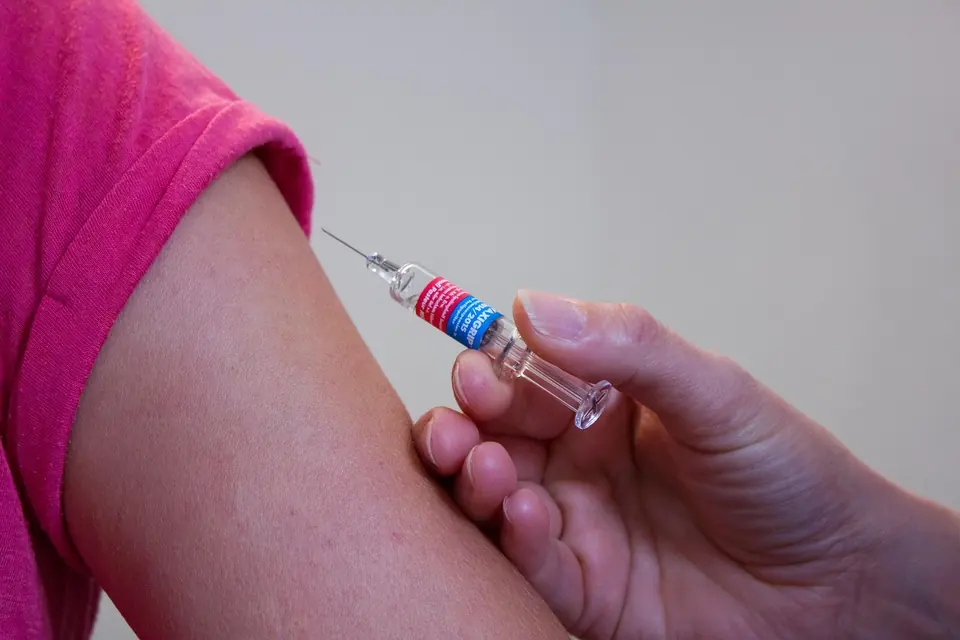
Babies: the pneumococcal conjugate vaccine has been part of Malaysia’s National Immunisation Programme since December 2020, for babies born from 2020. It is given at 4 and 6 months, with a booster at 15 months, free at government clinics. See our baby vaccination schedule.
Adults: there is no free national programme for adults, and the vaccine is mainly available at private clinics. Malaysian recommendations for older adults, published in 2025, advise:
- a single dose of a broad conjugate vaccine (PCV20), or
- a conjugate vaccine followed by PPSV23 a year later
Who should consider it:
- adults aged 60 and over. The US now recommends it from 50.
- younger adults with diabetes, chronic heart, lung (including asthma and COPD), kidney or liver disease, smokers, people with heavy alcohol use, and people with a weak immune system or no working spleen
- people going on Hajj or Umrah, where respiratory infections spread easily
Only about 3 in 10 older people in a 2025 Klang Valley study had been vaccinated. Ask your GP which vaccine and schedule suit you, as this depends on your age, health and any previous doses.
Side effects are usually mild: a sore, red or swollen arm, fever, tiredness, headache or aches for a day or two. It can be given at the same visit as the flu vaccine.
Other ways to lower your risk
- Get a yearly flu vaccine, especially if you are 60 or over or have a long-term condition. Older adults can also ask about the RSV vaccine and COVID-19 boosters.
- Stop smoking and vaping. Smoking damages the lungs’ defences.
- Wash your hands, cover coughs and sneezes, and wear a mask if you have a respiratory infection and must be around older or vulnerable people.
- Keep diabetes and other long-term conditions well controlled.
Where to get checked or vaccinated
A GP can check your chest and oxygen level, treat pneumonia that can be managed at home, and give the pneumococcal and flu vaccines. Our directory lists GP clinics across Kuala Lumpur, Selangor and other states, including clinics open 24 hours. Call ahead to check the vaccine is in stock.
Browse the clinic directoryFrequently asked questions
What are the first signs of pneumonia?
Usually a cough with phlegm, fever, and breathing that is faster or more difficult than normal, sometimes with chest pain when breathing in. Older people may become confused.
What is walking pneumonia?
An informal name for milder pneumonia, usually caused by Mycoplasma, where people stay up and about. The cough builds slowly and can last for weeks. It still needs a doctor.
Is pneumonia contagious?
The germs that cause it, such as pneumococcus, flu and Mycoplasma, spread through coughs and sneezes, although not everyone who catches them develops pneumonia.
How long does pneumonia take to recover from?
Most people feel better in 2 to 4 weeks, but the cough and tiredness can last longer, especially in older people.
Who should get the pneumococcal vaccine?
Babies under the National Immunisation Programme, adults aged 60 and over, and younger adults with diabetes, heart, lung, kidney or liver disease, smokers and people with a weak immune system.
Is the pneumococcal vaccine free for adults in Malaysia?
There is no national programme for adults, so it is mainly given at private clinics. Babies get it free under the National Immunisation Programme.
Do adults need more than one pneumococcal vaccine?
It depends on the vaccine. A single dose of a broad conjugate vaccine may be enough, or a conjugate vaccine may be followed by a second type a year later. Ask your doctor.
Can I get the pneumococcal and flu vaccines together?
Yes, they can be given at the same visit.
Sources
- Department of Statistics Malaysia — Statistics on causes of death, Malaysia, 2025 (Dec 2025)
- The Star — Ischaemic heart disease remains the leading cause of death, says Stats Dept (18 Dec 2025)
- World Health Organization — Pneumonia fact sheet
- NHS — Pneumonia (reviewed Jul 2026)
- US CDC — About Mycoplasma pneumoniae infection (May 2026)
- Malaysian Journal of Paediatrics and Child Health — Mycoplasma pneumoniae in children, Kelantan case series (Aug 2025)
- CodeBlue — Malaysia chooses PCV10 pneumococcal vaccine, immunisation starts December (Nov 2020)
- Medical Journal of Malaysia — Vaccination strategies in respiratory diseases (2026)
- Willingness to accept pneumococcal vaccination among older adults in the Klang Valley (2025)
- US CDC — Pneumococcal vaccine recommendations (Feb 2026)