Floods and your health: leptospirosis, diarrhoea and other risks during the monsoon
The Northeast Monsoon began on 27 October, and flash floods have already hit Penang and Kedah. Floodwater can carry germs from sewage, rubbish and animal urine, and the weeks after a flood bring their own risks. Here is what to watch for, how to keep your family safe, and when to see a doctor.
Key points
- The Northeast Monsoon runs from 27 October 2026 to March 2027, with 3 to 5 episodes of heavy rain expected between November and January.
- Most illnesses in flood relief centres are chest and skin infections, but floodwater can also spread diarrhoea, hepatitis A and leptospirosis.
- Leptospirosis (kencing tikus) can start 2 to 30 days after contact with floodwater. See a doctor for fever, headache, muscle aches or red eyes, and mention the flood.
- Drink boiled or bottled water, throw away food that touched floodwater, and cover cuts with waterproof plasters.
- Never run a generator indoors, never mix bleach with other cleaners, and clear standing water after the flood to stop dengue mosquitoes breeding.
The monsoon season has begun
MetMalaysia says the 2026/27 Northeast Monsoon began on 27 October 2026 and will last until March 2027. It expects 3 to 5 episodes of continuous heavy rain between November and January, followed by drier weather from January.
Floods have already started. On 25 October, heavy rain caused flash floods at 10 locations on Penang island, and a 73-year-old resident died in a landslide in Paya Terubong. In Kedah, 202 people from 69 families were in relief centres in Yan on 27 October, and the state has listed 90 flood hotspots. On 28 October, five relief centres were open nationwide, in Kedah and Selangor.
Check river levels on the Department of Irrigation and Drainage’s Public Infobanjir site, and follow MetMalaysia’s weather warnings.
Illnesses to watch for during and after floods
The Ministry of Health and the National Security Council list these as the main flood-related diseases:
- Diarrhoea and food poisoning, including dysentery and, rarely, cholera
- Hepatitis A and E, from contaminated water and food
- Leptospirosis, from water or mud contaminated with animal urine
- Chest infections and flu, which spread easily in crowded relief centres
- Skin infections and eye infections (conjunctivitis)
- Dengue and other mosquito-borne diseases, after the water recedes
In practice, most people who fall ill in relief centres have chest and skin infections. During the November 2025 floods, health teams treated 2,083 people in relief centres. The most common problems were respiratory infections (376 cases) and skin infections (92), with 15 cases of gastroenteritis. In the larger November–December 2024 floods, there were 6,730 respiratory infections, 3,021 skin infections and 298 cases of gastroenteritis. No outbreaks were declared in either year.
Leptospirosis: the flood fever to know about
Leptospirosis, often called kencing tikus (rat urine disease), is caused by bacteria in the urine of rats and other animals. The bacteria survive for weeks in water and wet soil, and enter the body through cuts, scratches, the eyes, nose or mouth. Wading or cleaning up in floodwater is a common way to catch it. It has been a notifiable disease in Malaysia since 2010.
Symptoms usually start 5 to 14 days after exposure, but can appear anywhere from 2 to 30 days:
- Sudden fever, chills and headache
- Muscle aches
- Red eyes
- Vomiting, diarrhoea, or a rash
Most cases are mild, but some people develop a severe form with yellow skin and eyes (jaundice), kidney failure or bleeding in the lungs, which can be fatal.
See a doctor early
If you get a fever within a month of contact with floodwater or mud, see a doctor and tell them about the flood. Leptospirosis is treated with antibiotics, which work best when started early. It can look like dengue or flu at first. If you are going into floodwater for rescue or clean-up work, ask your doctor whether preventive antibiotics are suitable for you.
Melioidosis: a risk for people with diabetes
Melioidosis is a less well-known infection caused by bacteria that live in soil and muddy water. Cases rise after heavy rain and floods. It mostly affects people with diabetes, kidney or liver disease, or thalassaemia. In one Pahang study, about three-quarters of patients had diabetes. Symptoms, which can start 1 to 3 weeks after exposure, include fever, cough, chest pain or abscesses. It needs weeks of hospital antibiotics, so see a doctor early for any fever after a flood if you have diabetes.
Safe water and food
- Drink boiled or bottled water until the authorities say tap water is safe. Bring water to a rolling boil for 1 minute. If it is cloudy, let it settle and filter it through a clean cloth first.
- Throw away any food that touched floodwater, including packaged food that isn’t in a sealed can, and food from a fridge that lost power for a long time.
- Don’t wash food, dishes or yourself in floodwater.
- Wash your hands with soap and clean water before eating and after cleaning up.
- For diarrhoea, drink oral rehydration salts (ORS) and plenty of clean fluids. See a doctor for blood in the stool, high fever, or signs of dehydration, especially in children and older people.
Cuts, wounds and tetanus
- Wear boots and gloves in floodwater and mud, and avoid wading where you can.
- Cover cuts with waterproof plasters before going into water.
- If you get a cut, wash it well with clean water and soap, and keep it clean and dry.
- Flood wounds count as dirty wounds. See a doctor for a tetanus booster if your last one was 5 or more years ago, or if you aren’t sure.
- See a doctor if a wound becomes red, swollen, hot or painful, or leaks pus.
Cleaning up safely
- Turn off electricity at the main switch before entering a flooded home if you can do so safely, and have wet electrical items checked before use.
- Never run a generator indoors, in a garage or near windows. Keep it at least 6 metres from doors, windows and vents. Generators produce carbon monoxide, which can kill without warning.
- Protect yourself with boots, gloves, goggles and, if there is mould, an N95 mask. Open windows while you clean.
- Remove mud first, then wash hard surfaces with soap and water and disinfect them with diluted bleach: no more than 1 cup (about 240 ml) of household bleach in about 4.5 litres of water.
- Never mix bleach with ammonia or other cleaners. It makes a toxic gas.
- Throw away soaked mattresses, carpets and soft items that can’t be dried within 24 to 48 hours, as mould grows quickly.
Dengue after the floods
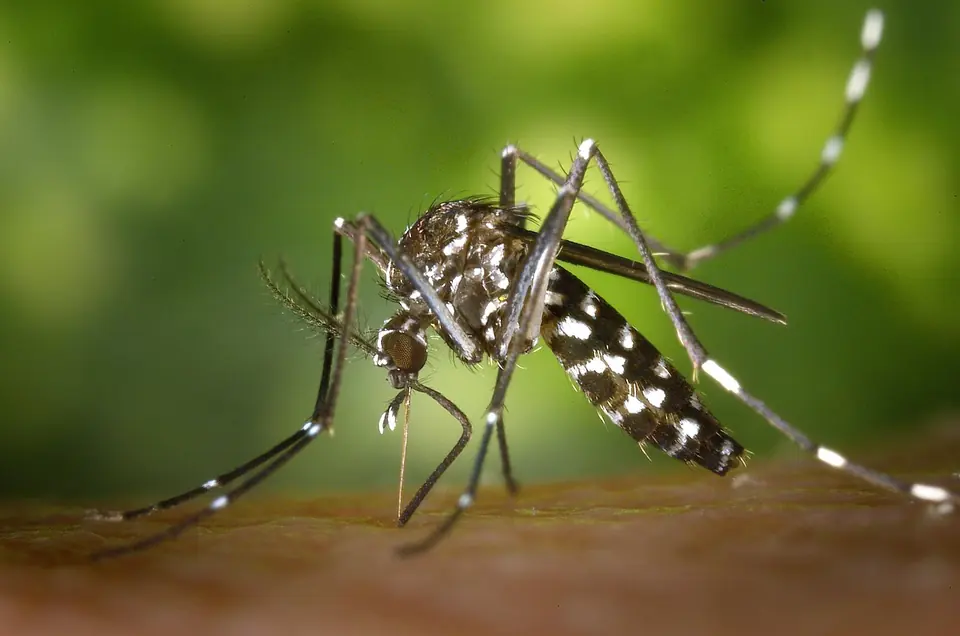
As floodwater recedes, it leaves puddles, blocked drains and water-filled containers where Aedes mosquitoes breed. Dengue cases in Malaysia have already passed 78,000 this year. After a flood, walk around your home and empty anything holding water, and use mosquito repellent. See our guide to dengue warning signs.
Looking after your mind
Losing belongings, being displaced or worrying about the next flood is stressful. Trouble sleeping, irritability and anxiety are common afterwards, and children may become clingy or upset. Talk to someone you trust, keep to routines where you can, and ask for help if it doesn’t ease. The Ministry of Health’s Talian HEAL 15555 offers free psychosocial support.
Useful contacts
| Need | Where to go |
|---|---|
| Emergency, rescue or ambulance | Call 999 (112 from a mobile) |
| River and flood levels | Public Infobanjir (Department of Irrigation and Drainage) |
| Open relief centres (PPS) | InfoBencana (Department of Social Welfare) |
| Weather warnings | MetMalaysia, hotline 1-300-22-1638 |
| Emotional support | Talian HEAL 15555 |
Where to see a doctor after a flood
See a GP for a fever, diarrhoea, skin infection or wound after contact with floodwater, and mention the flood. Our directory lists GP clinics across Kuala Lumpur, Selangor, Penang, Perak and other states, including clinics open late and at weekends.
Browse the clinic directoryFrequently asked questions
What diseases can you get from floodwater?
The main risks are diarrhoea and food poisoning, hepatitis A, leptospirosis, skin and eye infections, and chest infections in crowded relief centres. Dengue can rise after the water recedes.
What are the symptoms of leptospirosis (kencing tikus)?
Sudden fever, headache, chills, muscle aches and red eyes, sometimes with vomiting, diarrhoea or a rash. Symptoms usually start 5 to 14 days after contact with contaminated water, but can take up to 30 days.
Is leptospirosis curable?
Yes. It is treated with antibiotics, which work best when started early. See a doctor for any fever after contact with floodwater, and tell them about the flood.
Is it safe to drink tap water after a flood?
Not until the authorities say so. Drink bottled water, or bring tap water to a rolling boil for 1 minute before drinking or cooking with it.
Do I need a tetanus jab after a flood injury?
If you get a cut or puncture wound in floodwater and your last tetanus booster was 5 or more years ago, or you aren’t sure, see a doctor about a booster.
When does the 2026 monsoon season end?
MetMalaysia expects the Northeast Monsoon to last from 27 October 2026 to March 2027, with the heaviest rain between November and January.
Sources
- New Straits Times — Northeast Monsoon to begin Oct 27, bringing 3–5 episodes of heavy rain (23 Oct 2026)
- Bernama — Northeast Monsoon outlook (Oct 2026)
- The Star — Continuous rain in the north triggers flash floods in Kedah, Penang (26 Oct 2026)
- The Star — Floods: 90 areas in Kedah designated as hotspots (27 Oct 2026)
- Department of Social Welfare — InfoBencana (accessed 28 Oct 2026)
- National Security Council — Infectious diseases caused by floods (30 Nov 2025)
- The Star — Floods affect 49 health facilities, says Dzulkefly (28 Nov 2025)
- Free Malaysia Today — Cases of disease in flood-hit states (7 Dec 2024)
- US CDC — About leptospirosis (Feb 2026)
- Singapore Communicable Diseases Agency — Leptospirosis (Aug 2026)
- Tropical Biomedicine — Leptospirosis in Malaysia (2025)
- US CDC — About melioidosis (Aug 2025)
- US CDC — Water emergencies: making water safe
- US CDC — Carbon monoxide poisoning
- US CDC — Tetanus: clinical guidance
- US CDC — Mold clean-up after a disaster