Dengue vaccine in Malaysia: what Qdenga can and can’t do
Dengue cases in Malaysia have risen sharply in 2026, and more people are asking about the dengue vaccine. Here is who can have it, how well it protects, an important caveat about this year’s main dengue strain, and what to expect.
Key points
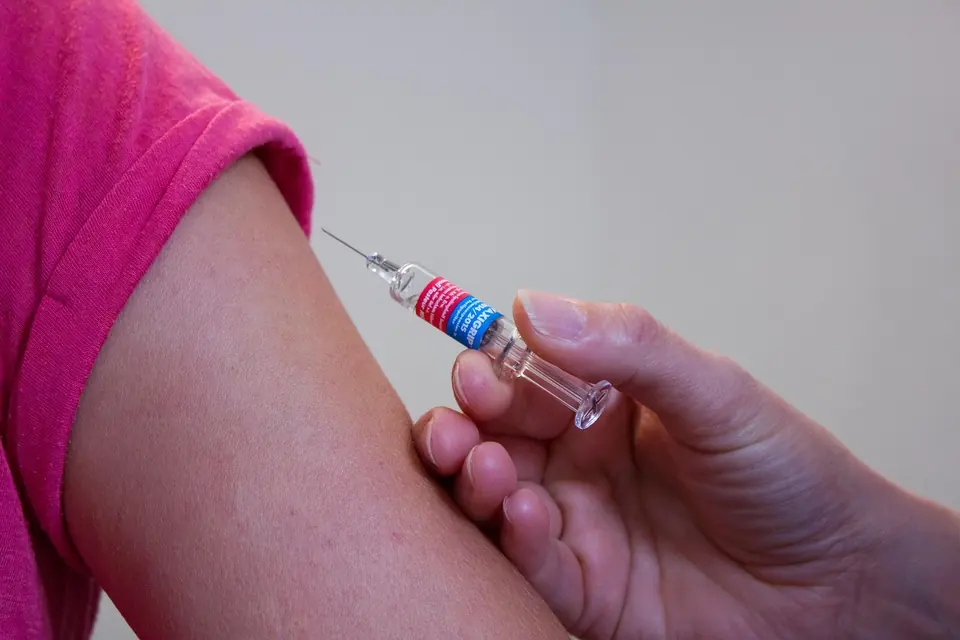
- Qdenga is the only dengue vaccine available in Malaysia. It is conditionally registered for people aged 4 and above, given as two doses three months apart.
- It is not part of the National Immunisation Programme, so it is only available at private clinics and hospitals.
- In trials it cut dengue hospitalisations by about 84% over four and a half years.
- In people who have never had dengue, it did not protect against DENV-3, the strain driving Malaysia’s 2026 surge. Discuss this with your doctor.
- The vaccine does not replace mosquito control or knowing the warning signs of severe dengue.
Dengue in Malaysia in 2026
Malaysia recorded 78,225 dengue cases and 68 deaths between 4 January and 25 October 2026, according to the national iDengue portal. Selangor accounts for the largest share, followed by the Federal Territories and Johor. By early September, cases were 66% higher than in the same period of 2025, and deaths had almost doubled.
The Ministry of Health has linked the rise to a shift in the dominant dengue strain, from DENV-2 to DENV-3. That matters when thinking about the vaccine, as explained below.
What is the dengue vaccine?
Qdenga (also known as TAK-003) is a live, weakened vaccine designed to protect against all four types of dengue virus (DENV-1 to DENV-4). It is given as an injection under the skin, in two doses three months apart. A booster dose is not currently part of the approved schedule.
Malaysia’s Drug Control Authority gave it conditional registration in February 2024. That means the company must keep submitting safety and effectiveness data. A renewal of the conditional registration has been reported from February 2026.
The vaccine is not in the National Immunisation Programme. In August 2026, the Health Minister said the Ministry was still studying whether to include it, including a cost-benefit analysis. For now, it is only offered privately.
Who can have it, and who should not
In Malaysia, it is registered for people aged 4 and above, whether or not they have had dengue before. There is little data for people over 60.
The World Health Organization recommends it mainly for children aged 6 to 16 in areas with high dengue transmission, and says people up to 60 with conditions such as diabetes or high blood pressure may also be offered it.
You should not have it if you:
- are pregnant or breastfeeding (and you should avoid becoming pregnant for at least a month afterwards)
- have a weakened immune system, for example from chemotherapy, high-dose steroids or HIV with low immunity
- had a severe allergic reaction to a previous dose or to any ingredient
If you have a high fever on the day, the vaccination should be delayed.
How well does it work?
The main trial followed about 20,000 children aged 4 to 16 in Asia and Latin America. Four and a half years after the second dose, the vaccine had reduced:
| Group | Fewer dengue cases | Fewer hospital admissions |
|---|---|---|
| Everyone | 61% | 84% |
| Had dengue before | 64% | 86% |
| Never had dengue | 54% | 79% |
Protection was highest in the first year and a half, and lowest in children aged 4 to 5.
The DENV-3 caveat
Protection was not the same against every dengue type. In people who had never had dengue, the trial found good protection against DENV-2 and some against DENV-1, but no protection against DENV-3, and too few DENV-4 cases to show any benefit.
The few cases of severe dengue in vaccinated people who had never had dengue were all DENV-3. The difference was not statistically significant, but WHO says a higher risk “cannot be conclusively ruled out”. In people who had dengue before, the vaccine did protect against DENV-3, cutting hospital admissions by about three-quarters.
Why this matters in 2026
DENV-3 is now the main dengue type in Malaysia. If you have never had dengue, or don’t know, talk this through with your doctor before deciding. They can explain the likely benefit for you and your family.
Side effects
Most side effects are mild to moderate, start within two days and last one to three days. They are less common after the second dose. In trials:
- Pain at the injection site: 50%
- Headache: 35%
- Muscle aches: 31%
- Redness at the injection site: 27%
- Feeling unwell or tired: 20–24%
- Fever: 11%
Severe allergic reactions (anaphylaxis) are rare, so you will be asked to wait at the clinic for a short time afterwards. Because it is a live vaccine, some people briefly have the vaccine virus in their blood, and a dengue test taken soon after vaccination may be positive. Tell the doctor you were recently vaccinated if you need a dengue test.
Cost and where to get it
Because the vaccine is only available privately, each clinic sets its own price. News reports from 2024 to 2026 put the cost of both doses at roughly RM400 to RM500 in total. Ask for the full price, including the consultation, before your first dose.
Vaccination costs can be claimed under the medical expenses tax relief for vaccinations. Keep your receipt.
Keep preventing bites, even if vaccinated
No dengue vaccine gives complete protection. Keep doing the basics:
- Clear standing water around your home every week, including plant saucers, roof gutters and containers.
- Use mosquito repellent and cover up during the early morning and late afternoon.
- Know the early symptoms and warning signs of dengue. Severe stomach pain, persistent vomiting, bleeding gums or drowsiness need urgent care.
Where to ask about the dengue vaccine
Many private GP clinics can discuss whether the dengue vaccine is suitable for you and give both doses. Call ahead to check they have it in stock. Our directory lists GP clinics across Kuala Lumpur, Selangor and other states, with opening hours and directions.
Browse the clinic directoryFrequently asked questions
Is the dengue vaccine approved in Malaysia?
Yes, conditionally. Qdenga received conditional registration from Malaysia’s Drug Control Authority in February 2024 for people aged 4 and above, and a renewal has been reported from February 2026.
Is the dengue vaccine free in Malaysia?
No. It is not part of the National Immunisation Programme, so it is only available at private clinics and hospitals. The Health Ministry said in 2026 that it is still studying whether to include it.
How much is the dengue vaccine in Malaysia?
News reports from 2024 to 2026 put the cost of both doses at roughly RM400 to RM500 in total at private clinics. Prices vary, so ask before booking.
Should I get the dengue vaccine if I have never had dengue?
Talk to your doctor first. In people who had never had dengue, the vaccine did not protect against DENV-3 in trials, and DENV-3 is the main dengue type in Malaysia in 2026.
Can I get dengue after the vaccine?
Yes. The vaccine lowers the risk of dengue and especially of hospital admission, but it does not give complete protection. Keep preventing mosquito bites and watch for warning signs.
Sources
- iDengue — National dengue surveillance portal (accessed 26 Oct 2026)
- Malay Mail — Dengue cases soar 66%, deaths hit 62 (9 Sep 2026)
- Malay Mail — Dengue cases rise nearly 30% in H1 2026, MOH cites shift to DENV-3 (6 Jul 2026)
- NPRA — Dengue vaccine (Qdenga) frequently asked questions (Feb 2024)
- Takeda — Qdenga Malaysian package insert (2025)
- WHO — Dengue vaccines: WHO position paper (May 2024)
- Bernama — Health Ministry studying dengue vaccine for national programme (27 Aug 2026)
- CodeBlue — No plans yet for dengue vaccine in national programme (Jul 2025)
- Frontiers in Public Health — Dengue vaccine introduction in Malaysia (Aug 2026)
- The Star — Dengue surges, vaccines lag (22 Aug 2026)
- CodeBlue — Why Malaysians choose to invest in dengue vaccination (Nov 2024)
- WHO — Dengue and severe dengue fact sheet